In Burgundy, a climat has nothing to do with the weather. It is a precisely delimited vineyard plot, named centuries ago, that expresses a distinctive terroir in the glass. An introduction—with examples from Meursault, Pommard, Volnay and Puligny.
In Burgundy, a climat is spoken of almost as a signature. Behind the word lies a very tangible reality: a delimited, named vineyard plot whose grapes are vinified separately so that its individual character can shine through. This concept, at the heart of Burgundy’s identity, is rooted in centuries of observation of the soil, aspect, drainage and winegrowers’ expertise. From the Middle Ages onwards, Cistercian and Benedictine monks, followed by generations of village winegrowers, patiently identified, named and defined these sites—by observing the harvests, building walls and clos, and later through the land registry. The concept of climats explains why two neighbouring rows of vines can produce wines with different nuances—and why the name of a climat is displayed so proudly on the label.
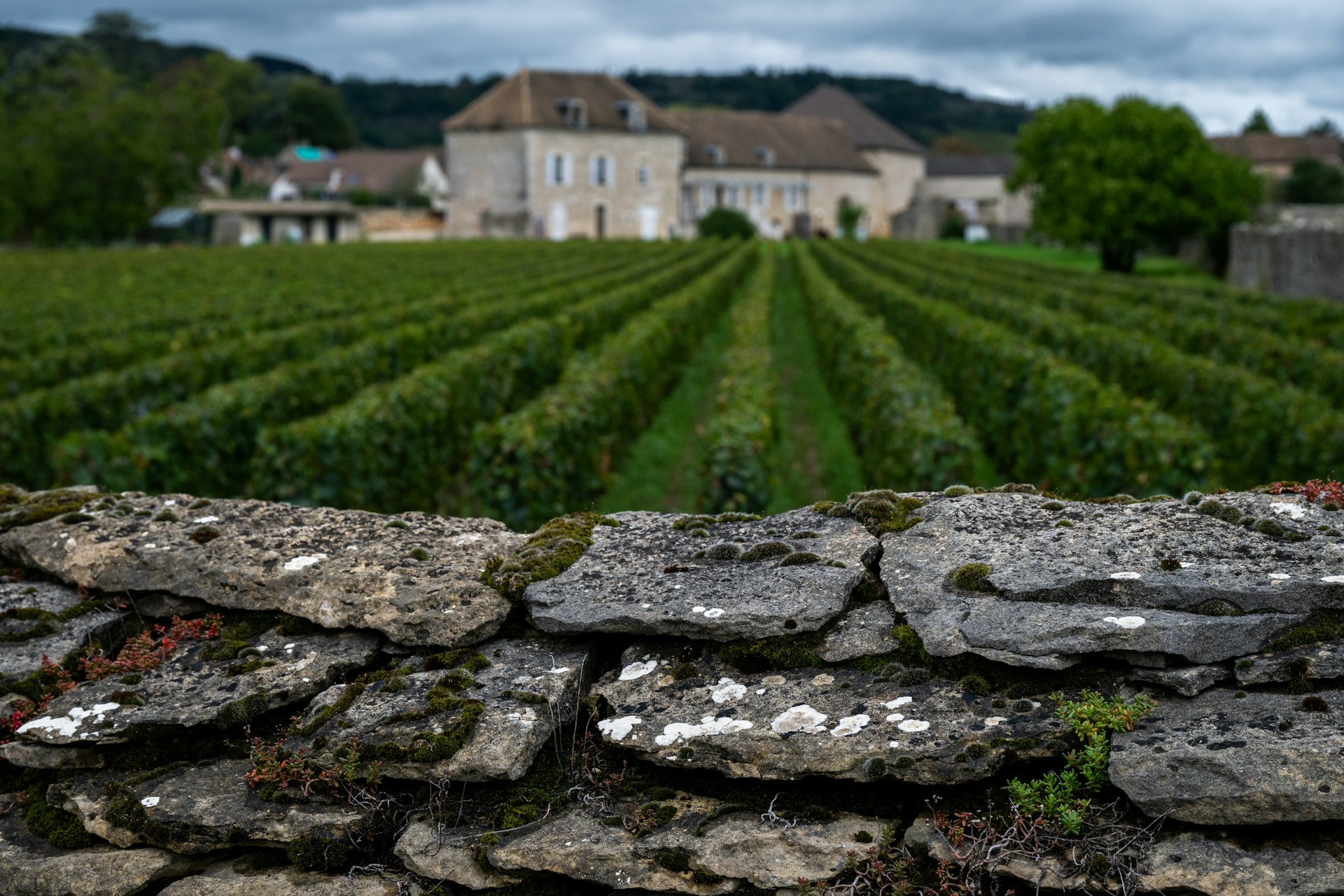
LOW STONE WALL SURROUNDING A VINEYARD, SOHAM BANERJEE, UNSPLASH
Climat: The Burgundian Definition
A climat is a precisely defined geographical area, recorded in the land registry, with a historic name—often dating back to the Middle Ages—and associated with a particular style of wine. Each climat has its own defining features: geology and subsoil, altitude and slope, aspect and local drainage.
Across the vineyards, this mosaic was patiently mapped out by generations of winegrowers and subsequently recognised through the appellation system. This intricate patchwork is what makes Burgundy so distinctive and led to its inscription on the UNESCO World Heritage List in 2015 as the Climats of the Burgundy Vineyards.
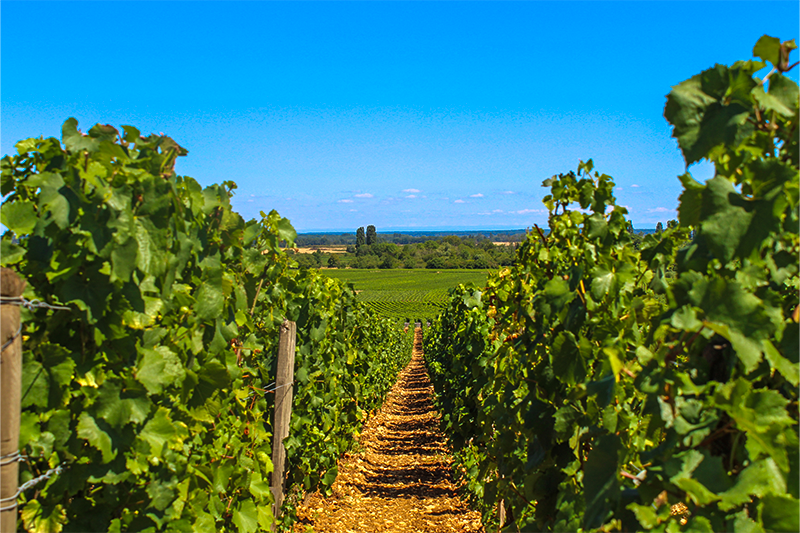
Aerial view of Burgundy's mosaic of climats.
Key Takeaways
A climat is not the weather: it is a named vineyard plot.
The grapes from a climat are vinified separately, and the name of the climat may appear on the label.
Burgundy has more than a thousand climats across the Côte de Beaune and Côte de Nuits—a true mosaic.
Climats and Appellations: How Are They Linked on the Label?
Without delving into the detailed workings of the appellation system, the key point is this: climats are the fine-grained units within appellations.
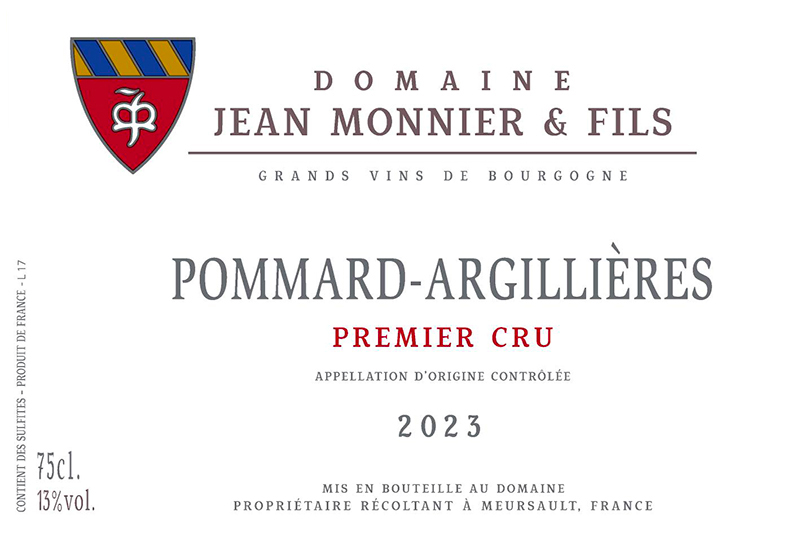
Village appellations—Premier Cru: a village appellation (e.g. Meursault Premier Cru) encompasses several climats. The label states the appellation level, the designation Premier Cru and the name of the climat: Pommard-Argillières Premier Cru. This is the most common way of expressing the distinctive character of a particular site.
Grands Crus: the appellation often shares the name of the climat itself (e.g. Montrachet or Romanée-Conti). Here, the climat is the appellation. The producer’s name and the vintage complete the label.
2023 Pommard-Argillières Premier Cru label
In short, the appellation establishes the legal and geographical framework; the climat is its most precise expression, highlighted on the label to guide the tasting experience.
Why Does a Climat Change the Taste of a Wine?
The magic lies in the interaction between a place and a grape variety (Chardonnay and Aligoté for white wines, Pinot Noir for reds):
Soil & subsoil: the proportions of clay and limestone, and the presence of scree, gravel, marl and other materials.
Aspect: varying levels of sunlight and differences in how early the grapes ripen.
Water balance and drainage: the natural management of water throughout the year.
Vineyard practices and ageing: the winegrower’s hand reveals the site without masking it.
As a result, each climat can produce its own aromatic profile (white flowers, stone fruit, citrus, spices and more), texture (precision, richness, depth) and structure (tension, volume, tannins).
The Climats in Practice at Domaine Jean Monnier & Fils
Established in Meursault since 1720, our domaine cultivates emblematic climats across the Côte de Beaune—each offering its own nuances to discover, or rediscover, in our tasting cellar. Here are a few key points.
A Mosaic of Vineyard Plots Across Several Villages
Located in the Côte de Beaune, the domaine cultivates vines in Meursault, Pommard, Volnay and Puligny-Montrachet. Our presence across several villages gives us a complementary range of climats:
21 climats and lieux-dits across the domaine: a genuine diversity of vineyard plots.
Varied aspects and altitudes: lower, mid- and upper slopes; predominantly east to south-east-facing, with the influence of combes and air currents.
Contrasting soils: fractured limestone, marl, clays in varying shades of red and scree gravel, depending on the site.
Distinctive styles: precise white wines from Meursault and Puligny-Montrachet; elegant, finely structured reds from Volnay; and more powerful structure in Pommard—all nuances shaped by place.
Our strength lies in our vineyard plots: different climats allow us to offer multiple interpretations of the same vintage, while maintaining the domaine’s signature style.
Our Philosophy: Reveal, Never Disguise
At the domaine, we practise sustainable viticulture, harvest by hand and take a restrained approach to ageing, allowing each site to speak for itself. Why this choice? Because we are in Burgundy, where terroirs—observed, named and passed down through the centuries—are renowned for producing wines of great quality. Our guiding principle is therefore clear: to preserve the identity of each climat rather than standardise it.
A Mosaic to (Re)Discover
A climat is both the name of a place and the style of a wine. It is the DNA of Burgundy: precise, patient and profoundly human. To truly appreciate the differences between our climats, such as Les Charmes, Les Genevrières and Les Grands Epenots, nothing compares to tasting them side by side.
Would you like to explore further? Visit our tasting cellar in Meursault to taste our wines, climat by climat.